Polypropylene
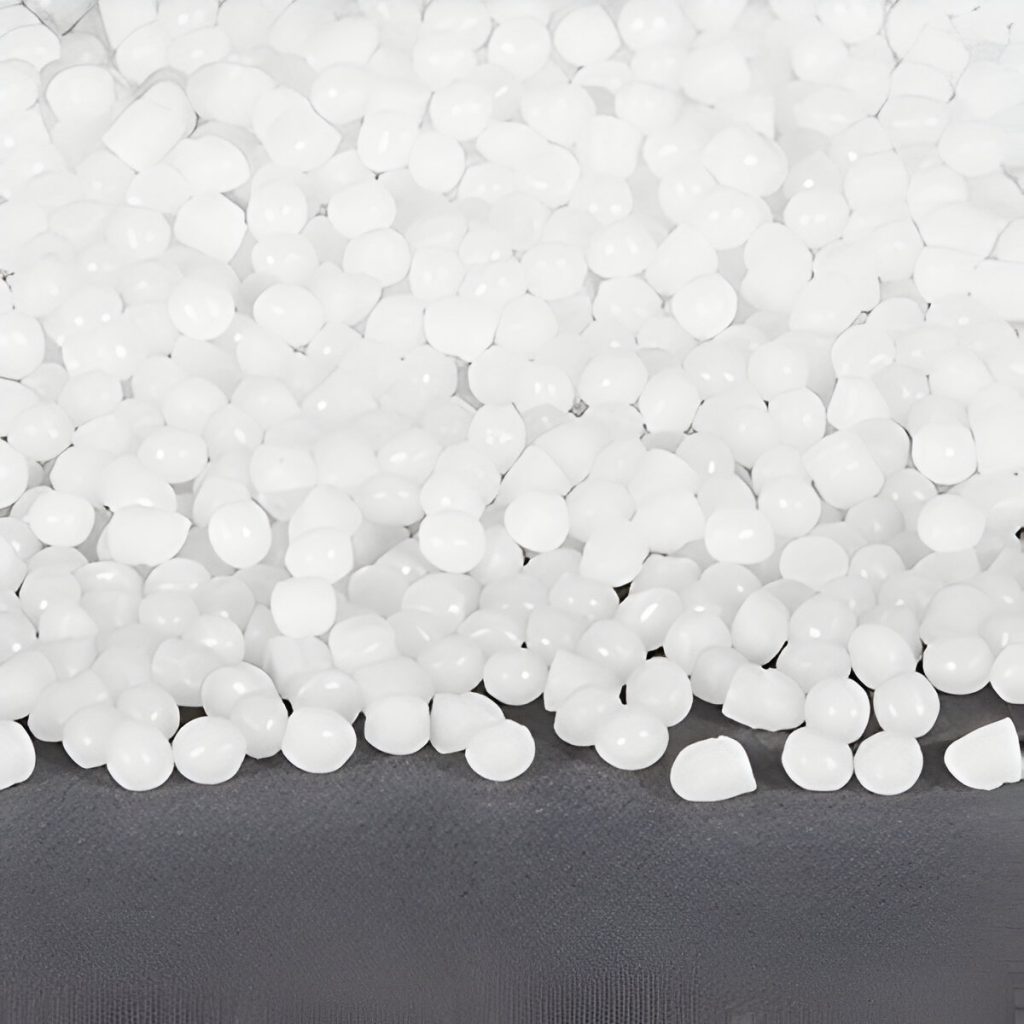
PP, a semi-rigid, transparent, easily moldable, and economical polymer produced through the polymerization of propylene with ZIEGLER-NATTA catalyst. Different types of atactic, isotactic, and syndiotactic PP can be prepared with varying properties. The glass transition temperature of isotactic PP is around -10°C, and its melting temperature is approximately 160°C. PP exhibits good chemical resistance but is affected by chlorine, nitric acid, and other strong oxidizers. While resistant to visible light rays, UV rays can deteriorate the surfaces of materials made from PP. It is combustible but burns slowly. It is non-toxic. When properly modified, it has good heat resistance.PP comes in three types;
PPH/ Polypropylene homopolymer,
PPC/ Polypropylene block copolymer,
PPRC/ Polypropylene random copolymer,
The most significant feature that sets PPRC apart from others is its ability to be used in sanitary installations, as well as its suitability for use in hot water installations and hot plate welding.